For UK businesses, property insurance is a critical safeguard. However, many commercial properties are insured based on outdated figures or incorrect assumptions about value. A rebuild cost assessment ensures that the amount insured accurately reflects the true cost of reconstructing a commercial building, not its market value, but the cost to reinstate it following major damage or total loss.
For commercial property owners, landlords and asset managers, getting this right is essential to avoid underinsurance, delayed claims and significant financial exposure.

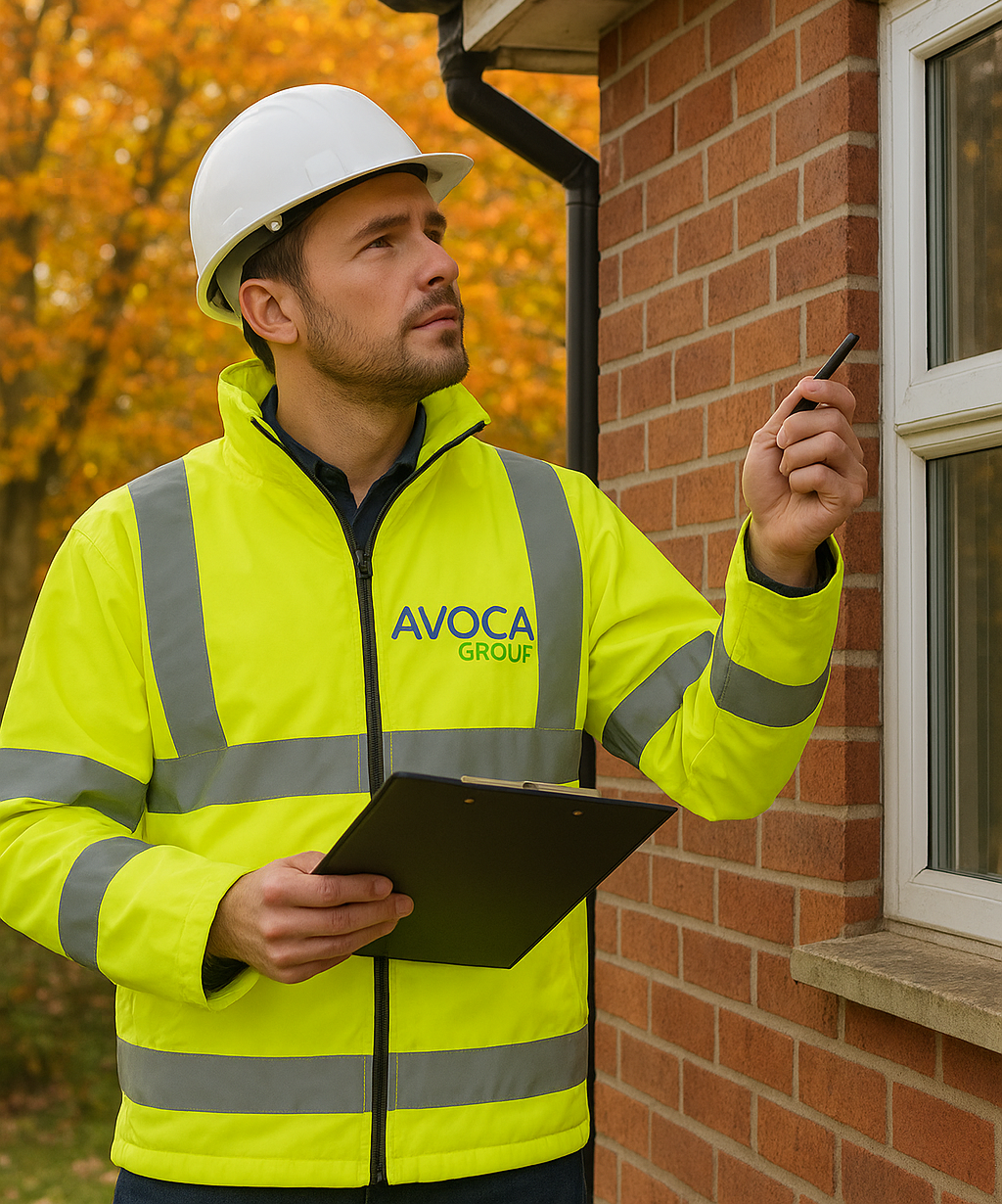
What Is a Commercial Rebuild Cost Assessment?
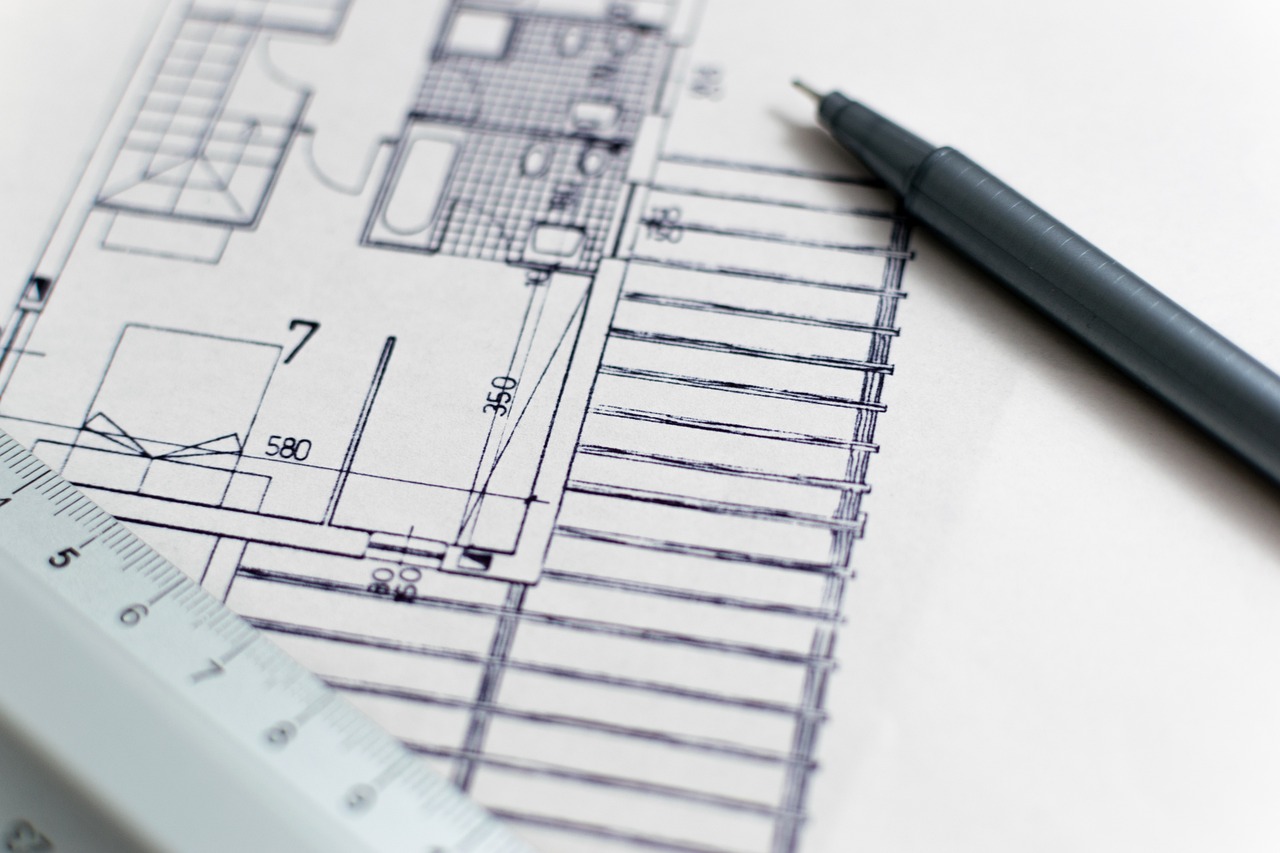
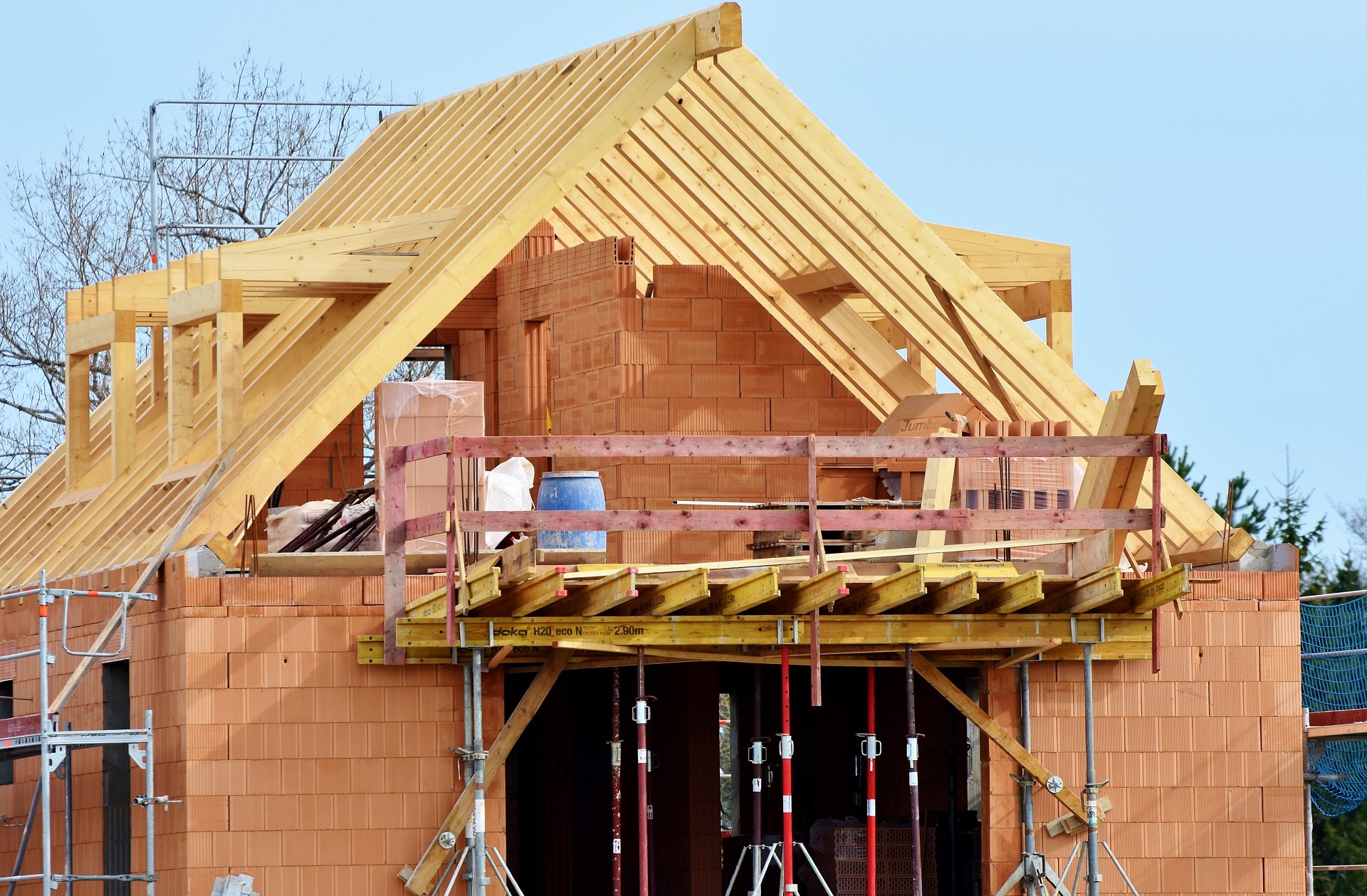
A commercial rebuild cost assessment calculates the total cost required to demolish and reconstruct a building to its original specification using current construction rates. It considers:
-
Demolition and site clearance.
-
Materials and labour.
-
Professional fees (architects, engineers, surveyors).
-
Compliance with current Building Regulations.
-
External works (car parks, drainage, boundary walls).
-
VAT where applicable.
-
Access constraints or specialist construction requirements.
Unlike residential properties, commercial buildings often involve more complex structures, specialist services, and regulatory requirements, which makes professional assessment particularly important.
Why Commercial Buildings Are More at Risk of Underinsurance
Underinsurance is widespread across UK commercial properties. Common reasons include:
-
Relying on purchase price or book value.
-
Failing to account for inflation in construction costs.
-
Not updating insurance after refurbishments or extensions.
-
Assuming index linking fully protects against cost increases.
Commercial properties are especially vulnerable because rebuild costs can fluctuate significantly due to labour shortages, material price volatility and regulatory changes.
The Impact of Underinsurance on Business Claims
Most UK commercial property policies include an average clause. If a building is insured for less than its true rebuild cost, claim payments may be reduced proportionally even for partial losses.
For businesses, this can mean:
-
Reduced claim settlements.
-
Unexpected capital expenditure.
-
Delays in reinstatement.
-
Extended business interruption.
In serious cases, underinsurance can affect a company’s ability to resume operations quickly, with knock-on effects for tenants, customers and revenue.
When Should a Commercial Rebuild Cost Assessment Be Carried Out?
As a general guide, UK businesses should consider a professional rebuild cost assessment:
-
Every 3–5 years.
-
After major refurbishment or extension works.
-
During insurance renewal reviews.
-
When acquiring new property assets.
-
As part of portfolio risk management.
For complex or high-value properties such as mixed-use developments, industrial facilities, heritage buildings, or multi-let premises more frequent reviews may be advisable.
Protecting Your Commercial Investment
Commercial buildings represent significant capital investment and often underpin business operations. Ensuring the rebuild cost is accurate is not just an insurance exercise, it is a core part of risk management.
A professional rebuild cost assessment gives UK businesses clarity, certainty and protection, helping to ensure that if the unexpected happens, the path to reinstatement is straightforward and financially secure.
How Avoca Group Can Support Your Commercial Rebuild Cost Assessment
At Avoca Group, we carry out detailed rebuild cost assessments for commercial properties across the UK. Our assessments are based on current construction rates, regulatory requirements and real-world reinstatement considerations ensuring that the figures used for insurance purposes accurately reflect today’s rebuilding environment.
We work with commercial property owners, landlords, asset managers and brokers to provide clear, professional reports that support insurance renewals, portfolio reviews, acquisitions and risk management strategies.
By combining construction expertise with practical claims experience, we help businesses reduce the risk of underinsurance and ensure greater certainty should a claim arise.