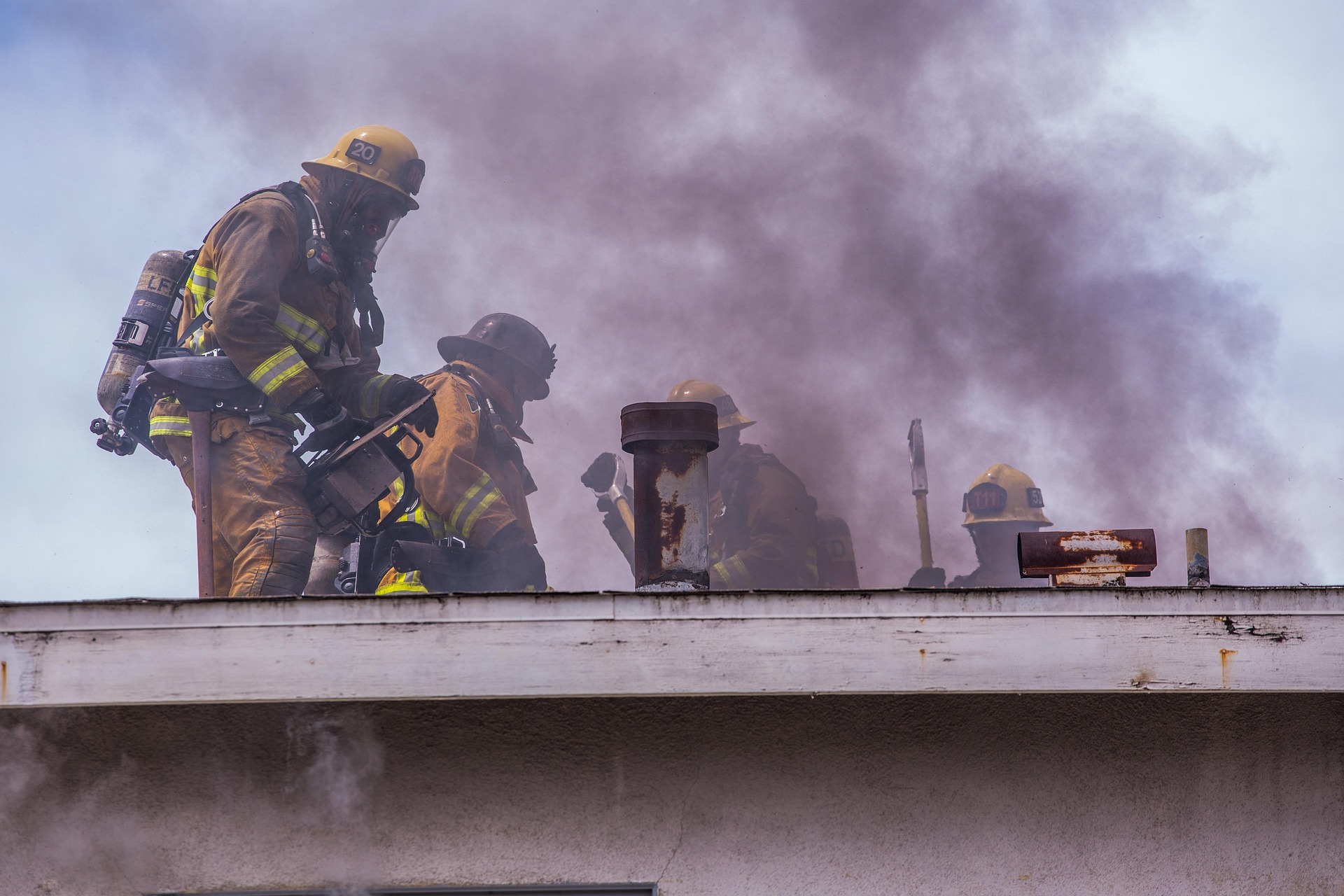
Experiencing a fire in your home or commercial property can be one of the most distressing events a property owner faces. Even a relatively small fire can leave behind significant damage caused not only by flames, but also by smoke, soot, water used to extinguish the fire and structural instability.
The restoration process is about much more than simply repairing visible damage. It involves carefully assessing the property, making it safe, working alongside insurers and restoring the building to its pre-loss condition. Understanding each stage of the process can help property owners know what to expect and reduce uncertainty during what is often a difficult time.
Step 1: Make the Property Safe
The first priority following a fire is ensuring the safety of everyone involved. The property should not be re-entered until it has been declared safe by the emergency services or a qualified professional.
Depending on the extent of the damage, immediate actions may include:
- Boarding up broken windows and doors.
- Installing temporary fencing or security measures.
- Isolating damaged electrical and gas services.
- Providing temporary weather protection if the roof has been compromised.
- Carrying out structural assessments.
These emergency measures help prevent further damage while protecting the property from theft, vandalism or exposure.
Step 2: Notify Your Insurance Provider
Once the property is secure, contact your insurance company as soon as possible to report the incident.
Your insurer will typically request:
- The date and time of the fire.
- A description of the damage.
- Photographs or videos where possible.
- Details of any emergency works already carried out.
- Information about the fire service attendance.
For larger or more complex claims, the insurer may appoint a loss adjuster to inspect the property and determine the extent of the damage. At this stage, having an experienced claims management company on your side can make a significant difference. They can liaise directly with insurers, loss adjusters, and contractors, helping to keep communication clear and the claim progressing efficiently.
Step 3: Damage Assessment
Fire damage is often more extensive than it first appears. While burnt materials are obvious, heat, smoke, soot and water can affect areas well beyond the room where the fire started.
A comprehensive assessment will examine:
- Structural integrity.
- Smoke contamination.
- Soot deposits.
- Water damage from firefighting efforts.
- Electrical systems.
- Plumbing.
- Heating and ventilation systems.
- Internal finishes and contents.
This detailed inspection allows restoration specialists to prepare a clear scope of works for both the insurer and the property owner.
Step 4: Emergency Mitigation and Strip-Out Works
Before restoration can begin, damaged materials that cannot be salvaged must be safely removed.
This may include:
- Burnt plasterboard.
- Damaged insulation.
- Charred timber.
- Smoke-contaminated flooring.
- Fire-damaged ceilings.
- Unsafe fixtures and fittings.
The aim is to stabilise the property while preventing further deterioration and preparing it for reinstatement.
Step 5: Smoke and Soot Removal
One of the most challenging aspects of fire restoration is dealing with smoke and soot contamination. Smoke particles can travel throughout a property, leaving behind staining, odours, and harmful residues on surfaces, even in rooms that appear unaffected.
Professional cleaning techniques may include:
- Specialist soot removal products.
- Deep cleaning of walls and ceilings.
- Air filtration systems.
- Thermal fogging.
- Ozone or odour-neutralisation treatments.
- Cleaning of ventilation systems.
Removing smoke contamination thoroughly is essential before decoration or rebuilding begins.
Step 6: Drying the Property
Many people don’t realise that water damage is often a major part of fire restoration.Thousands of litres of water may be used by firefighters to extinguish a blaze, leaving floors, walls, and structural timbers saturated.
Professional drying equipment is used to:
- Reduce moisture levels.
- Prevent mould growth.
- Protect structural materials.
- Prepare surfaces for rebuilding.
Moisture readings are regularly monitored to ensure the property has reached acceptable drying levels before reinstatement works begin.
Step 7: Reinstatement Works
Once the property has been cleaned, dried, and declared safe, the rebuilding process can begin.
Reinstatement aims to return the property to its pre-loss condition and may include:
- Structural repairs
- Roof repairs
- New plastering
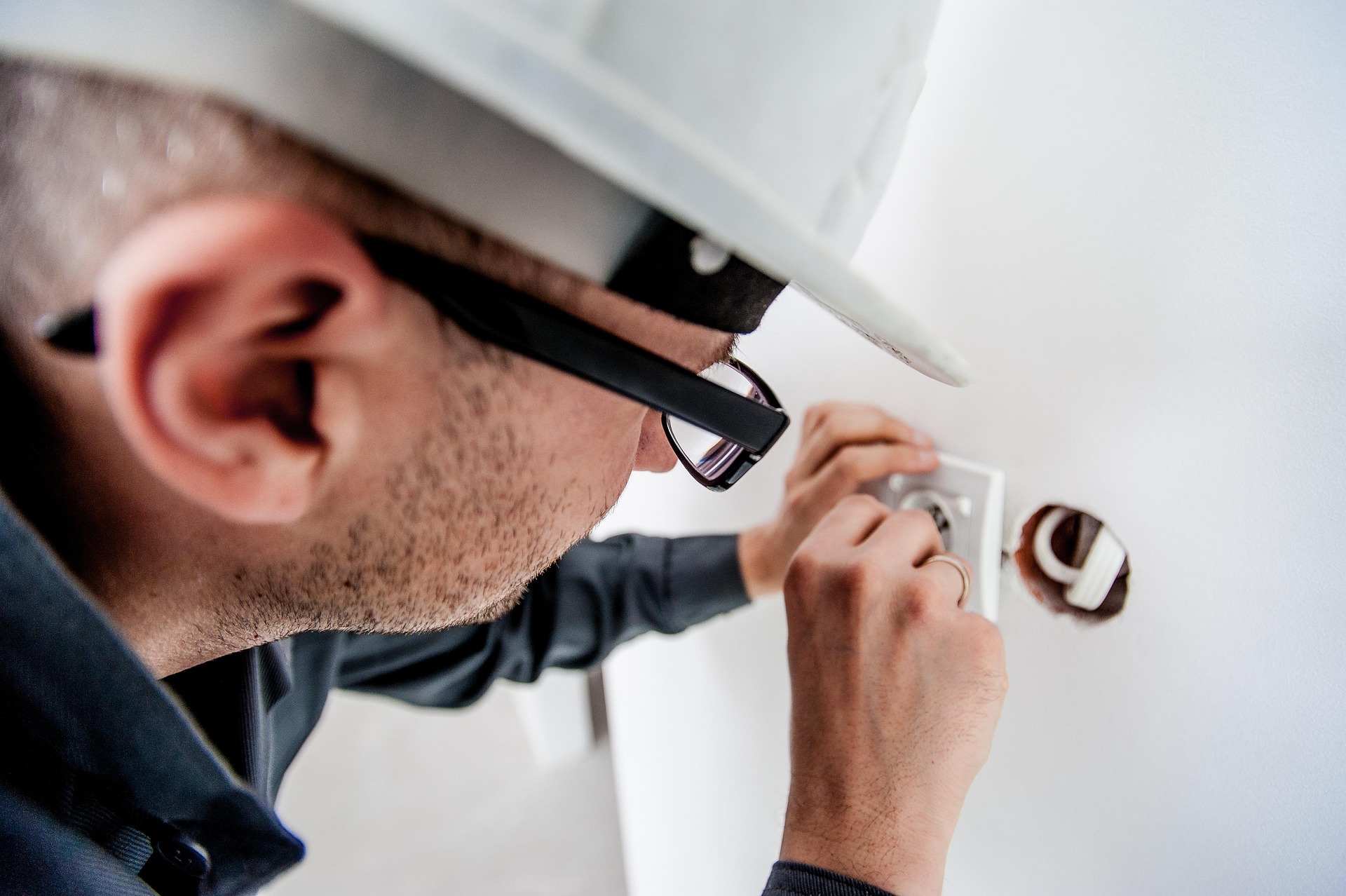
- Electrical rewiring
- Plumbing installations
- Replacement flooring
- Decorating
- Kitchen and bathroom reinstatement
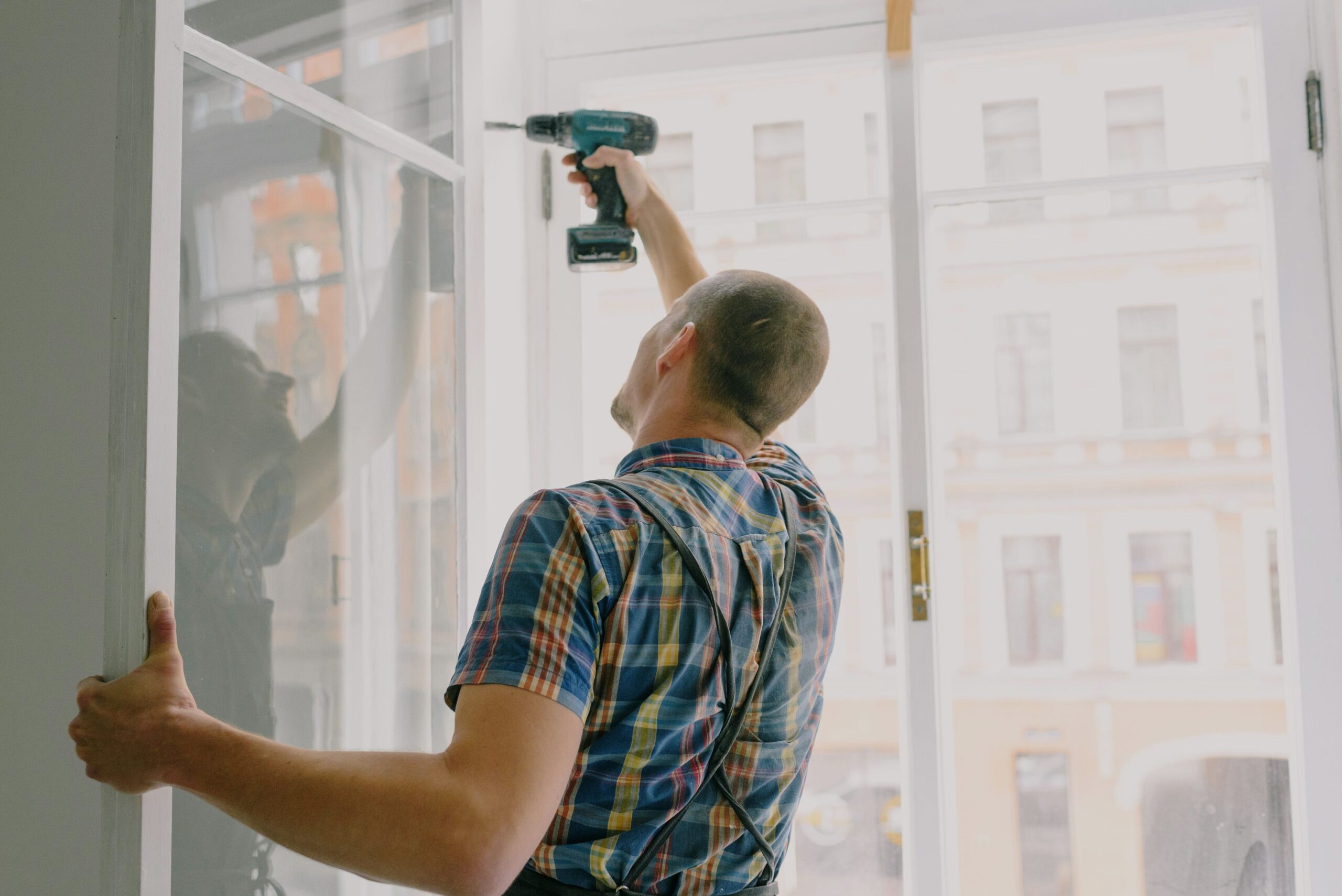
- Joinery and finishing works
Every project is tailored to the extent of the damage and the insurer’s agreed scope of works.
Step 8: Final Inspection and Handover
Before the project is completed, a final inspection ensures that all repairs have been carried out to the required standard.
This includes checking:
- Quality of workmanship.
- Building safety.
- Functionality of electrical and plumbing systems.
- Decoration and finishes.
- Compliance with relevant building regulations.
Once complete, the property is ready to be handed back to the owner or occupants.
Why Professional Fire Restoration Matters
Fire restoration is a specialist process that requires careful planning, technical expertise and close coordination between multiple parties. Attempting to manage the process without professional support can lead to delays, overlooked damage, and unnecessary stress.
An experienced restoration and claims management company can:
- Coordinate emergency response.
- Manage communication with insurers and loss adjusters.
- Arrange specialist cleaning and drying.
- Oversee contractors and reinstatement works.
- Keep the project on schedule from start to finish.
Having a single point of contact throughout the restoration process helps ensure that repairs are completed efficiently while minimising disruption for homeowners, landlords and businesses.
Supporting Property Owners Across Dorset
Recovering from fire damage can feel overwhelming, but you don’t have to manage the process alone. At Avoca Group, we provide end-to-end fire damage restoration services across Dorset and the South West, supporting homeowners, landlords, commercial property owners, insurers and loss adjusters from the initial emergency response through to the final reinstatement.
Our experienced team understands the complexities of insurance repairs and works closely with all parties involved to deliver a smooth, efficient restoration process. Whether the damage is limited to a single room or affects an entire property, we’re committed to restoring your building safely, professionally, and with as little disruption as possible.